

The RV industry’s success has always been closely tied to consumer confidence, travel trends, and fuel prices. Recent increases in oil and gas prices will disrupt how some buyers approach RV purchases, requiring your dealership to handle hesitant buyers with care.
Maintaining successful sales margins depends on your ability to understand your customers’ priorities, reframe value, and position your dealership as the best option to meet buyer needs.
Why Fuel Prices Matter to RV Buyers
When gas prices rise, consumers become more cautious about discretionary spending. By nature, RVs require more fuel to get from point A to point B, leaving RVers to address higher costs associated with owning and operating their vehicle.
AAA reported that the national average gas price exceeded $4 per gallon in April 2026 for the first time in four years. At current rates ($4.53/gallon as of May 14, 2026), RVers could expect to pay an average of $70 to $195 per travel day following the recommended 300-mile/day driving distance.
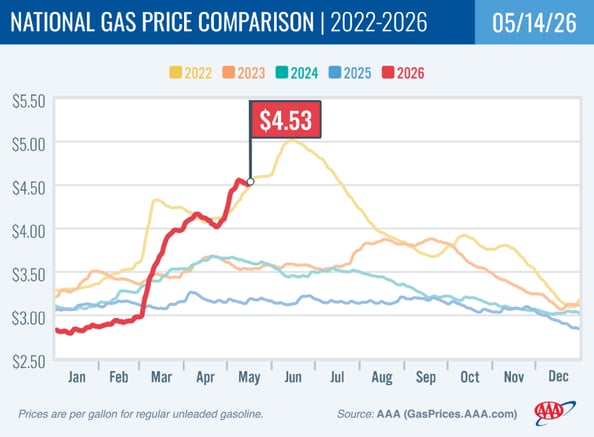
For those in the market, these higher costs can affect their purchasing decisions in several ways:
- Delayed purchases
- Interest in smaller or towable RVs
- Focus on fuel-efficient options
- Demand for affordable financing
Avid RVers will likely choose to adjust how they travel rather than avoiding a purchase altogether. They might shorten the trip distances, travel less frequently, and reside at stops for longer periods.
In many cases, RV travel is still much cheaper than airfare, rental vehicles, and hotel lodging. Keep that in mind for cost-motivated buyers who are still eager to travel.
Despite these rising costs and potential buyer hesitancy, the RV industry itself is cautiously optimistic about closing out the year. According to the RV Industry Association (RVIA) Spring 2026 forecast, wholesale RV shipments are still expected to rise this year, ranging from 328,800 to 367,000 units.
So what does this mean for you? Adjusting your sales approach to reach buyers who prioritize value and ownership costs will help you maintain healthy margins throughout the current economic strains.
How You Can Combat Fuel Price Concerns
1. Shift the Conversation From Fuel Costs to Total Vacation Value
While fuel costs remain high, buyers will likely prioritize a given vehicle’s mileage. However, mileage is only one factor impacting travel costs. Encourage them to consider the overall costs of various travel options.
For example, the costs of airfare, hotels, restaurant meals, and rental cars have increased significantly in recent years. RV travel still offers flexibility, convenience, and cost control for many families.
Help buyers evaluate:
- Cost per night at campsites, state parks, or other RV-friendly accommodations compared to hotels
- Savings from cooking meals while traveling
- Pet-friendly travel convenience
- Flexibility during peak travel seasons
Fuel costs are still an important factor, but comparing total costs from various forms of travel could demonstrate where an RV provides better long-term value.
2. Highlight Smaller and More Efficient RV Segments
Fuel-conscious shoppers are increasingly interested in:
- Lightweight towables
- Compact travel trailers
- Class B motorhomes
- Smaller Class C units
These models are more approachable for first-time buyers concerned about operating expenses.
As you evaluate your inventory and sales strategies, consider:
- Featuring lightweight inventory more prominently
- Creating comparison tools around towing and fuel costs
- Educating buyers on matching tow vehicles properly
- Promoting easier drivability and campground flexibility
Be proactive in addressing fuel concerns with your buyers — an educational and empathetic approach goes a long way in earning trust and closing a deal.
3. Focus on Affordability
When fuel prices rise, consumers become more payment sensitive. That makes financing conversations even more important. Overcome cost concerns by:
- Offering flexible financing structures
- Educating buyers on payment scenarios
- Expanding your lender network to offer a variety of programs
Making the financing process painless can also help ease the stress buyers feel. Focus on transparent explanations of what they’re signing, provide real-life examples of protection products, and digitize the entire financing process to avoid lengthy and repetitive steps in F&I.
The Key Takeaway: Align With Buyer Needs
Rising oil and gas prices are already influencing RV shopping behavior during this year’s peak season. Many consumers are likely delaying purchases, reconsidering vehicle types, or becoming more price conscious.
But hesitancy doesn’t mean buyers are avoiding purchases altogether. They still value the flexibility, outdoor experiences, affordable family travel, and ownership freedom RVs provide.
By aligning your sales and F&I conversations to meet buyers where they are, you’ll continue to succeed throughout volatile market conditions.